If you've read our piece on sleep and skin aging, you already know that the hours between 10pm and 2am are when your skin does its most productive repair work — cell turnover peaks, collagen synthesis ramps up, and barrier repair kicks into high gear. Your PM routine is how you show up for that process. It's not just skincare. It's working with your skin's biology.
The AM routine is about protection — defending your skin against UV, pollution, and oxidative stress. The PM routine is about transformation — using the window when skin is most receptive to actives, most capable of repair, and most able to absorb and respond to what you apply.
Here's how to build it correctly.
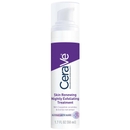
A gentle overnight exfoliant combining glycolic and lactic acids with CeraVe's ceramide complex. Resurfaces and renews while rebuilding the skin barrier — an ideal PM step that accelerates cell turnover, smooths texture, and preps skin for the actives that follow.
Double cleanse — start with a clean slate
Everything your PM routine does depends on clean skin. Actives applied over SPF residue, makeup, and the day's pollution don't absorb properly — they sit on top of a barrier of debris and deliver a fraction of their potential. The double cleanse solves this completely.
First cleanse: an oil-based cleanser or balm to dissolve SPF, makeup, and sebum. Massage for 60 seconds and rinse thoroughly. Second cleanse: a gentle water-based cleanser to remove any remaining residue and reset your skin's pH before applying actives. This is non-negotiable if you wear SPF during the day — which you should be.
SPF filters — particularly mineral sunscreens — are specifically formulated to adhere to skin and resist water. A single water-based cleanse rarely removes them completely. Studies on SPF residue have shown that incomplete removal leads to clogged pores and significantly reduced absorption of subsequently applied actives. The double cleanse is not optional if you want your PM routine to perform.
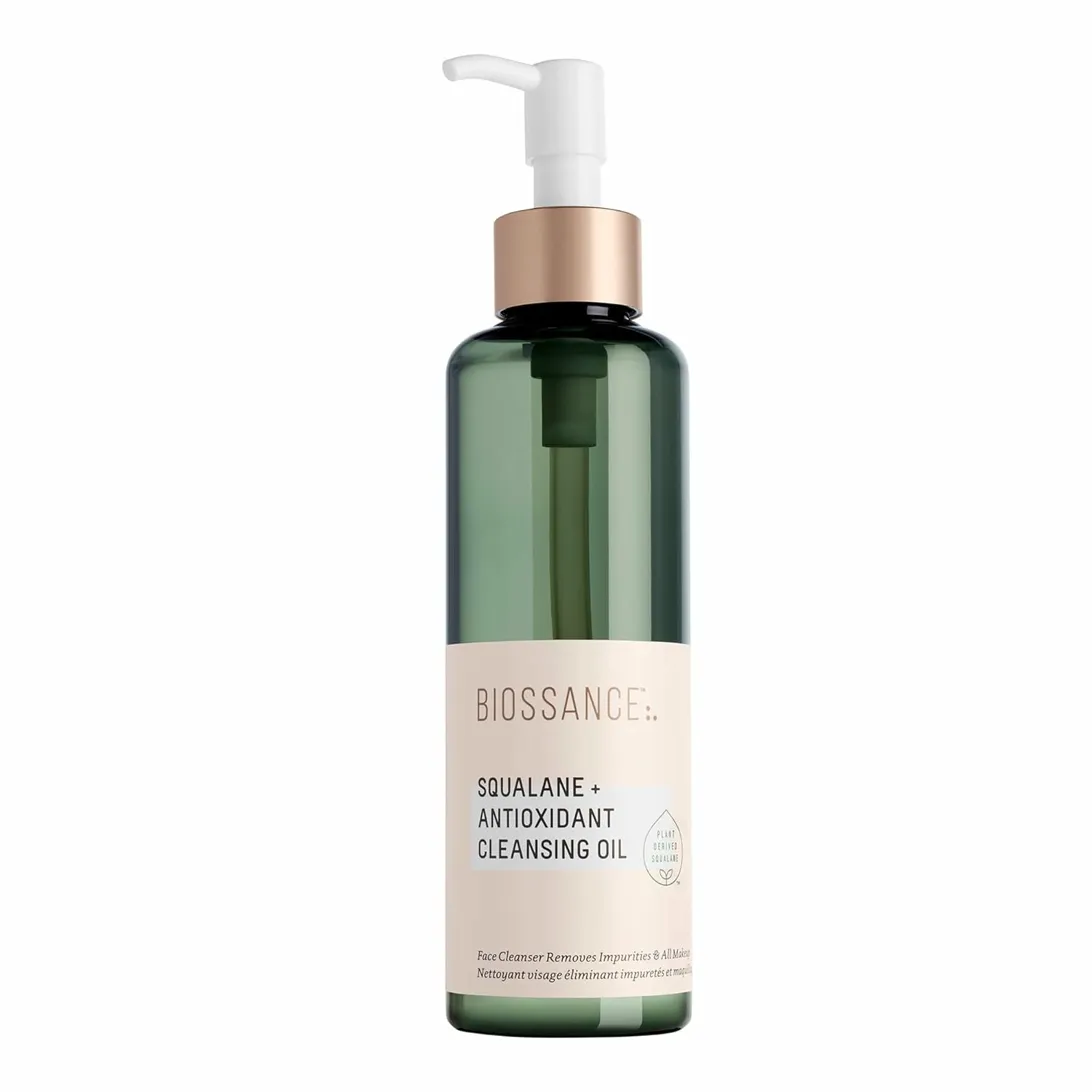
A lightweight cleansing oil that dissolves SPF, makeup, and sebum without stripping — the ideal first cleanse. Squalane keeps skin balanced and comfortable while antioxidants protect against oxidative stress. Rinses clean without residue.
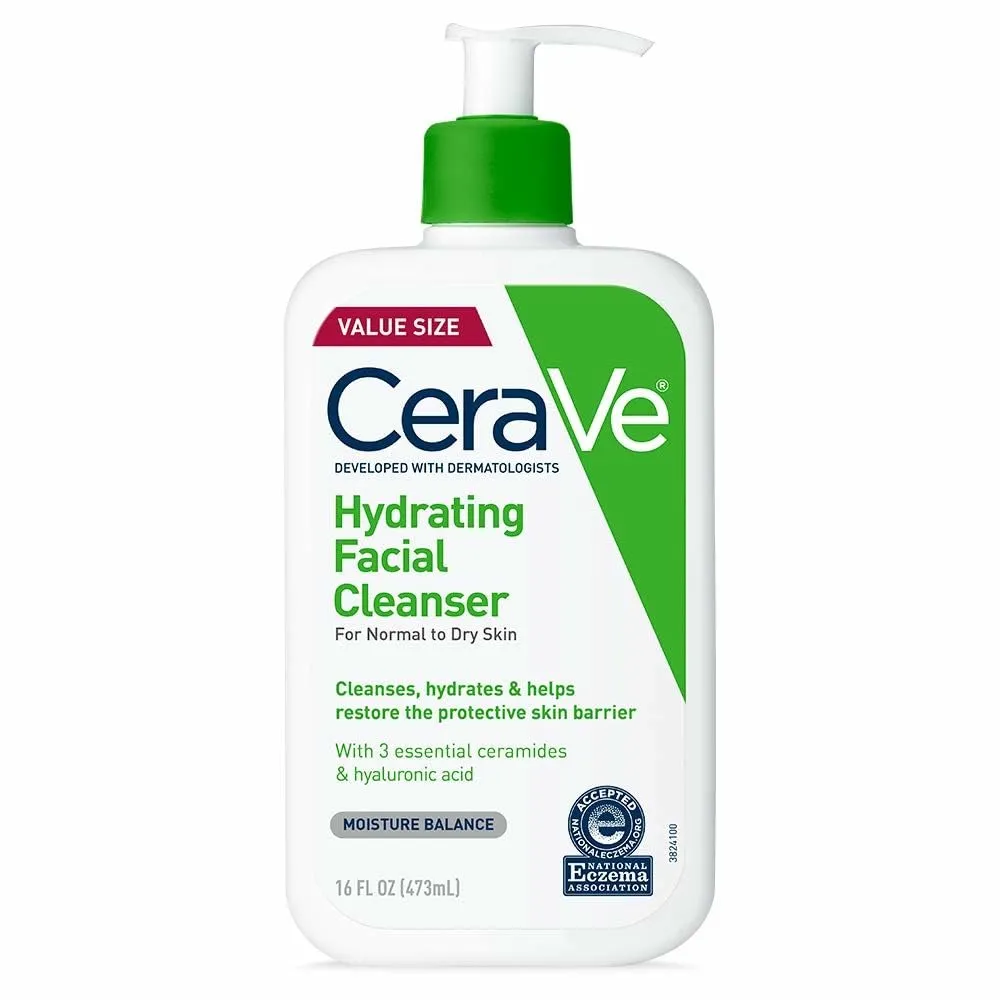
The benchmark second-cleanse option — fragrance-free, pH-balanced, and packed with ceramides and hyaluronic acid. Removes remaining residue without disrupting the skin barrier, leaving skin clean and ready for actives.
Exfoliant — clear the way for everything that follows
Chemical exfoliants belong in the PM routine — not the AM. AHAs (glycolic, lactic) and BHAs (salicylic acid) increase UV sensitivity, making morning application a liability. At night, they do their best work without that risk: loosening the bonds between dead skin cells, improving texture and tone, and — critically — clearing the path for actives applied afterward to penetrate more effectively.
Use 2-3 times per week, not every night. On nights you exfoliate, apply your exfoliant after cleansing and wait 5-10 minutes before continuing. Don't combine with retinoids on the same night until your skin is well-adapted to both — the combination can cause significant irritation.
Lactic acid is the gentler AHA and the better starting point for women 35-55 — it exfoliates effectively while also providing some hydration. Glycolic acid is more potent but more irritating. BHA (salicylic) is best for congested or oily skin. PHAs are the gentlest option of all — ideal if your skin is sensitive or barrier-compromised.
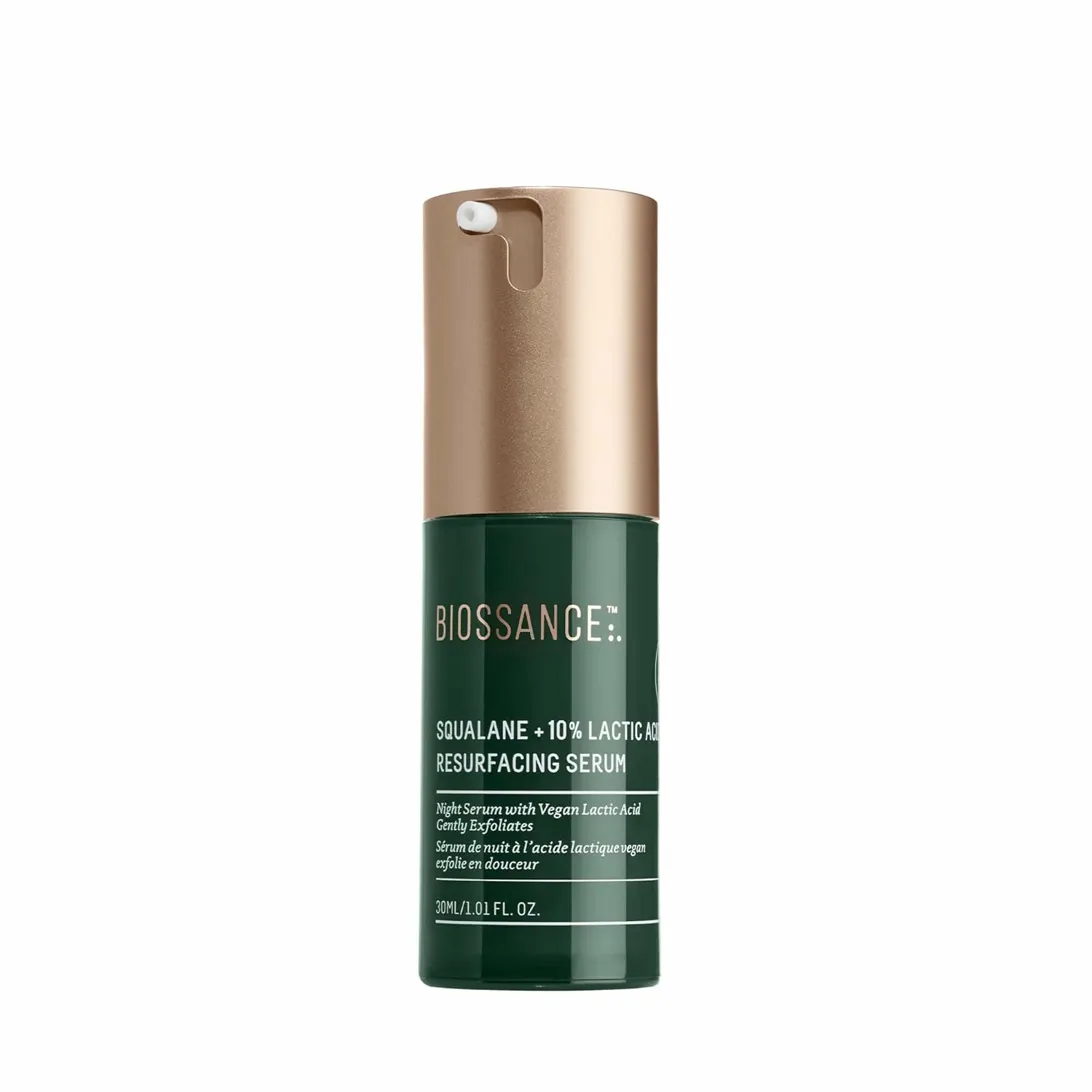
Lactic acid paired with squalane for exfoliation that resurfaces without stripping. Improves texture, tone, and radiance overnight while keeping the barrier comfortable — an ideal option for mature skin that wants effective exfoliation without irritation.
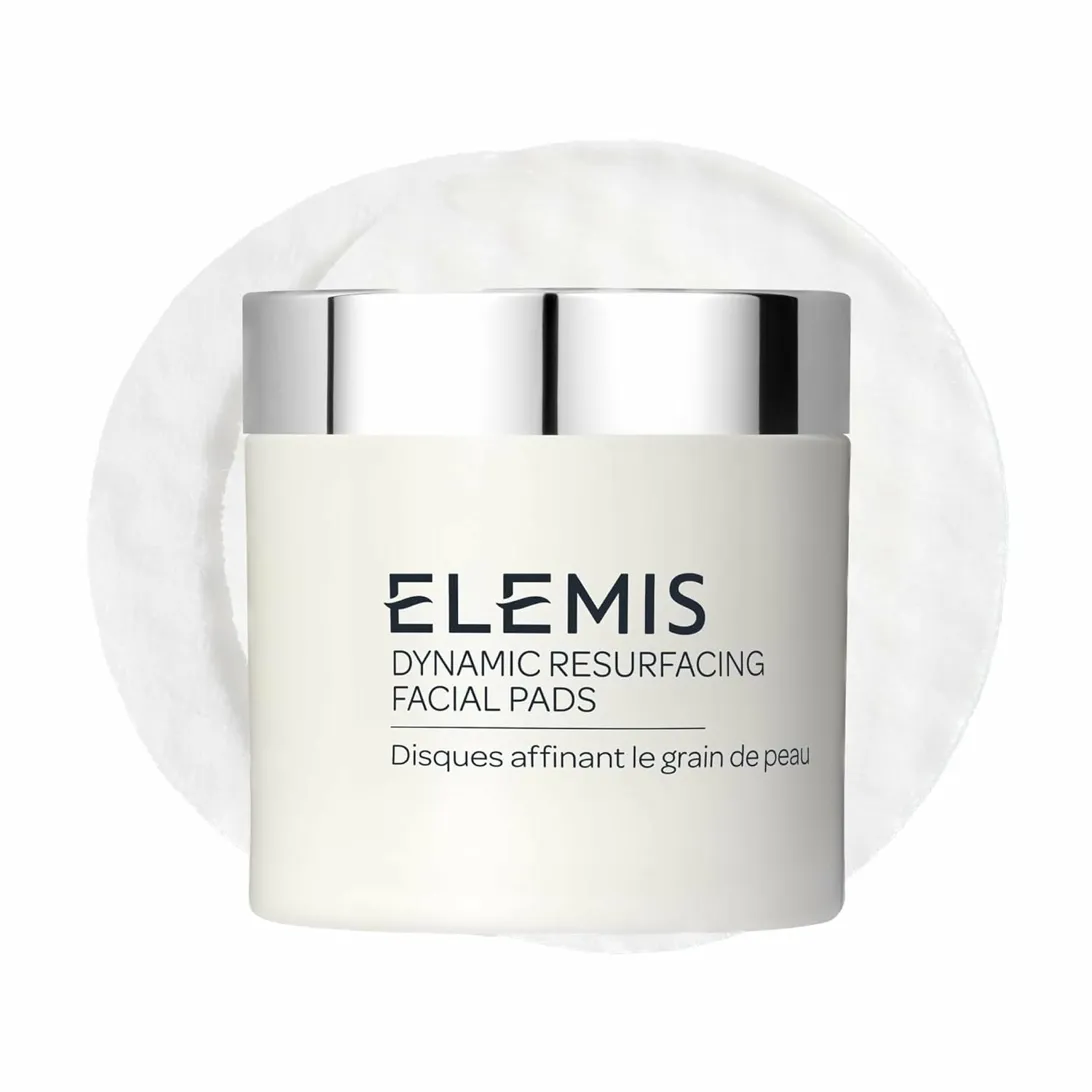
Pre-soaked resurfacing pads combining lactic and glycolic acid with Elemis's tri-enzyme technology. Convenient, consistent, and effective — swipe across clean skin and let the acids work. A favourite for women who want professional-level exfoliation at home.
Treatment serum — peptides and growth factors
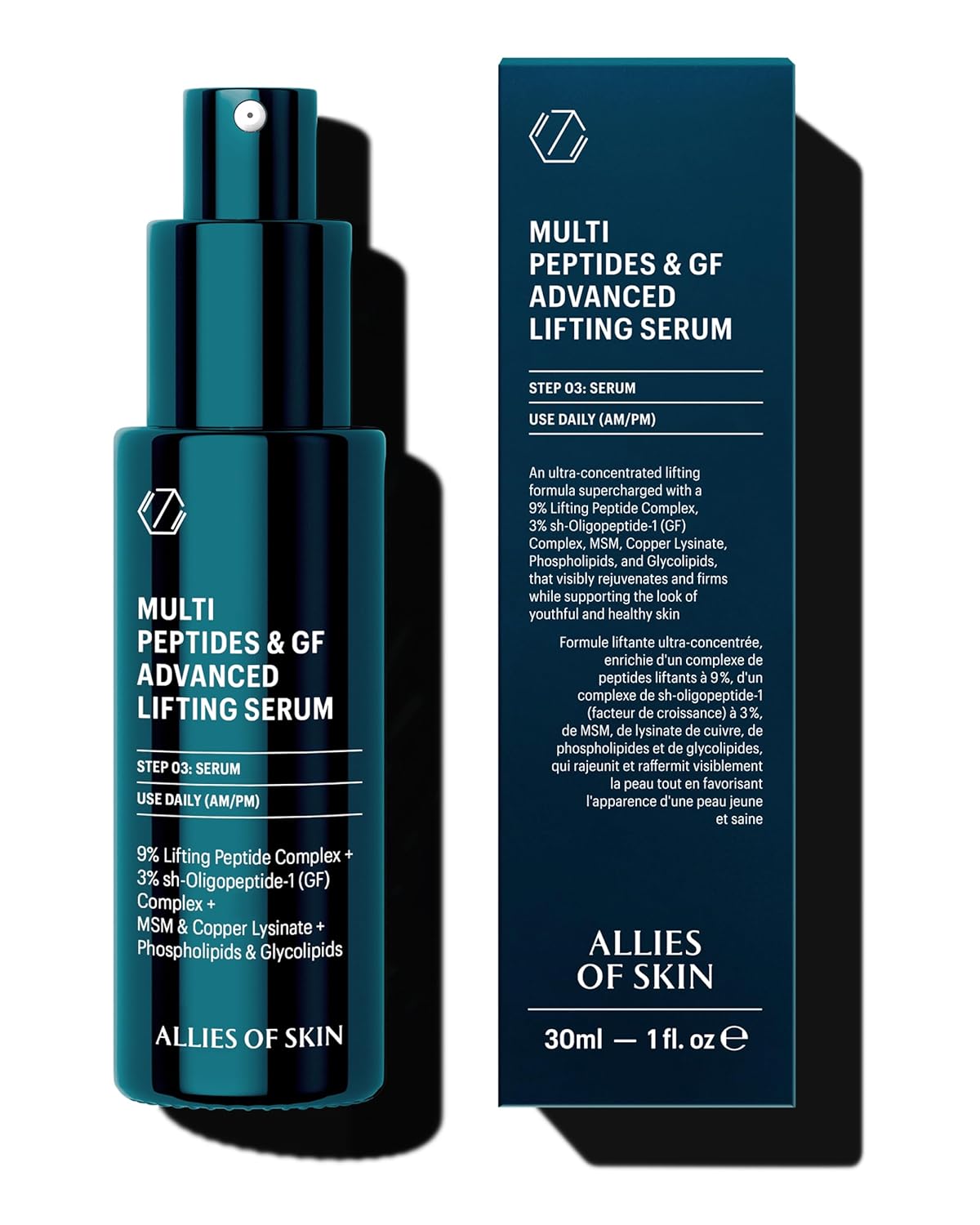
This is the step where you apply your most targeted anti-aging actives. Peptides and growth factors work best at night — applied to clean, exfoliated skin, with hours of undisturbed absorption time ahead of them. They signal fibroblasts to produce more collagen and elastin, support skin structure, and improve firmness and density with consistent use.
Apply to slightly damp skin after cleansing (or after your exfoliant on those nights), and allow to absorb for 60 seconds before moving on. Less is more — a few drops is sufficient for the whole face and neck.
Retinoid — the cornerstone PM active
If there is one ingredient that defines a serious PM routine, it's a retinoid. Retinol and its derivatives are the most clinically validated anti-aging actives available without a prescription — accelerating cell turnover, stimulating collagen synthesis, reducing fine lines, improving texture, and fading hyperpigmentation. The evidence base is decades deep and unambiguous.
Retinoids are PM-only. UV exposure degrades them and increases photosensitivity. Apply after your serum, on nights you're not exfoliating, and start with 2-3 nights per week before building to nightly use. The classic beginner mistake is going too hard too fast — start low and slow, and let your skin adapt over 4-6 weeks.
Retinyl palmitate (the gentlest, lowest conversion rate) → Retinol (the benchmark OTC form) → Retinaldehyde (faster conversion, more potent) → Tretinoin (prescription only, most potent). Start where your skin can tolerate and work up. Most women 35-55 do well starting at retinol 0.25-0.5% and building from there.
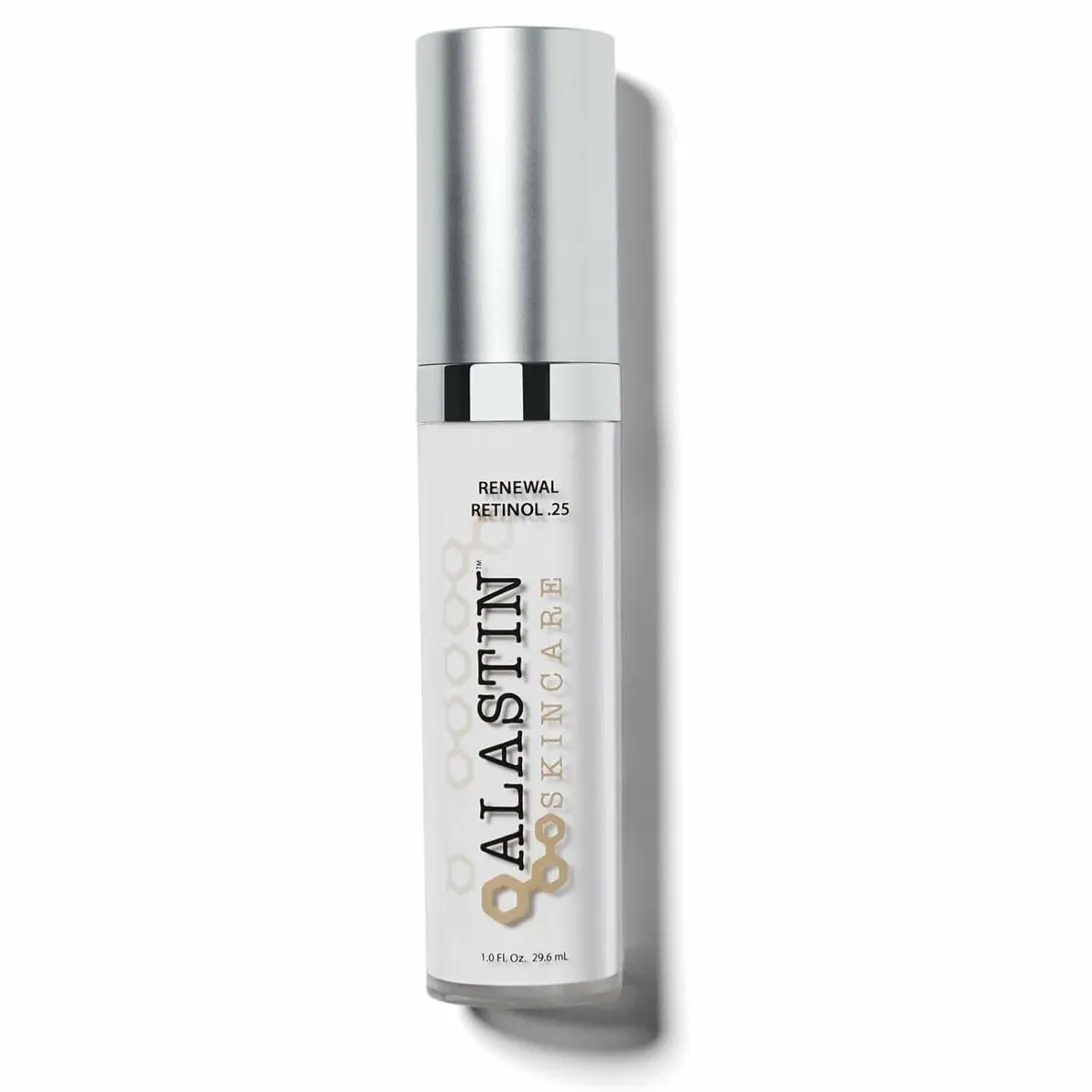
Alastin's TriHex Technology pairs with encapsulated retinol for a time-released delivery system that maximises efficacy while minimising irritation — a standout choice for women who want real retinol results without the classic adjustment period.
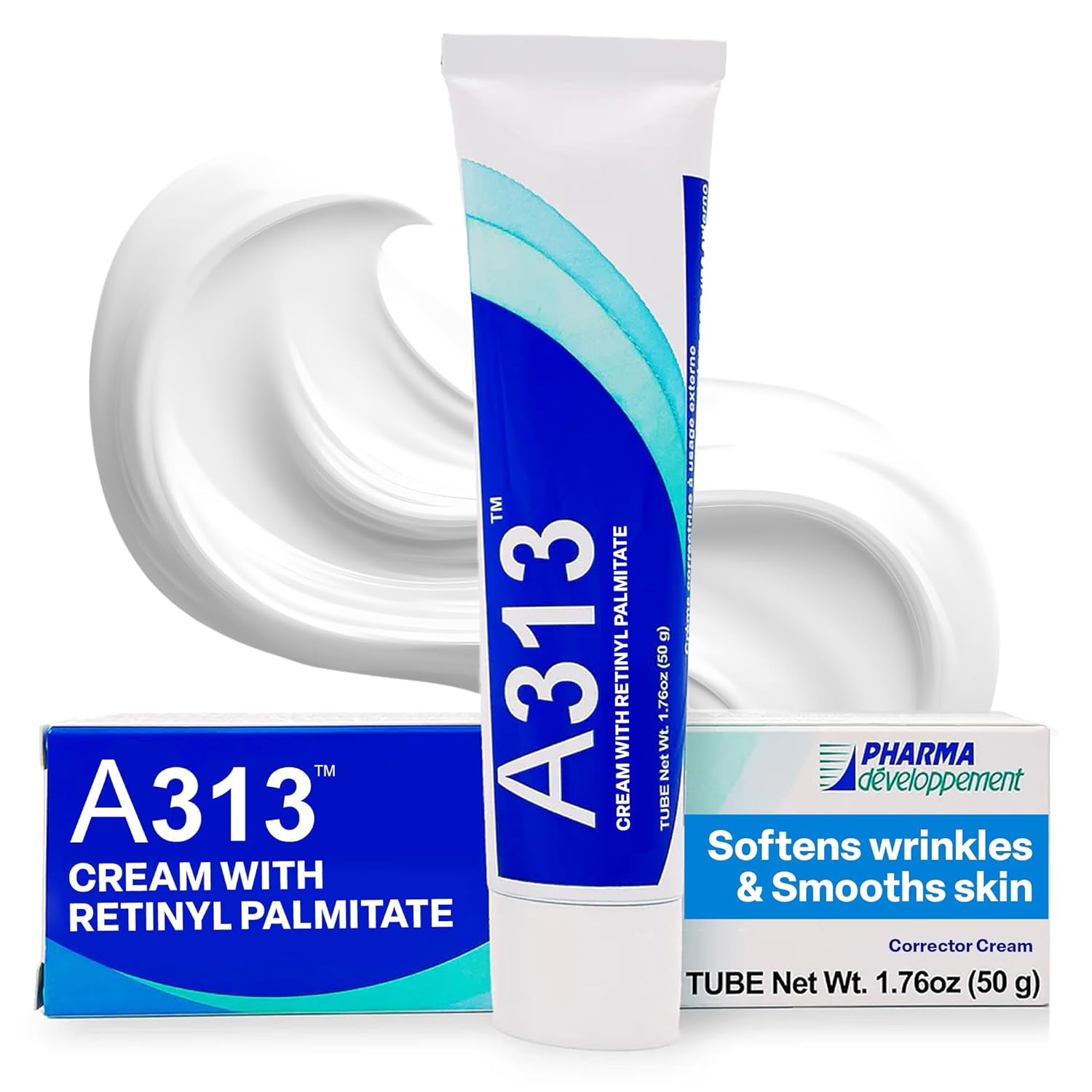
A French pharmacy cult classic — a rich, gentle retinyl palmitate cream that softens fine lines and smooths skin texture without the irritation of stronger retinoids. The perfect entry point for retinoid beginners or for use on sensitive nights between stronger retinol applications.
Moisturiser — seal, repair, restore
The final step in your PM routine serves two purposes: sealing in the actives applied before it, and providing the barrier-supporting ingredients your skin needs to do its overnight repair work effectively. At night, you can go richer than you would in the AM — a more occlusive moisturiser won't interfere with SPF and gives your barrier everything it needs for 7-8 hours of uninterrupted repair.
For nights when you've used a retinoid or exfoliant, prioritise barrier repair above all else — ceramides, fatty acids, and peptides to counteract any potential irritation and support recovery. For calmer nights, a rich overnight cream focused on hydration and collagen support is your best investment.
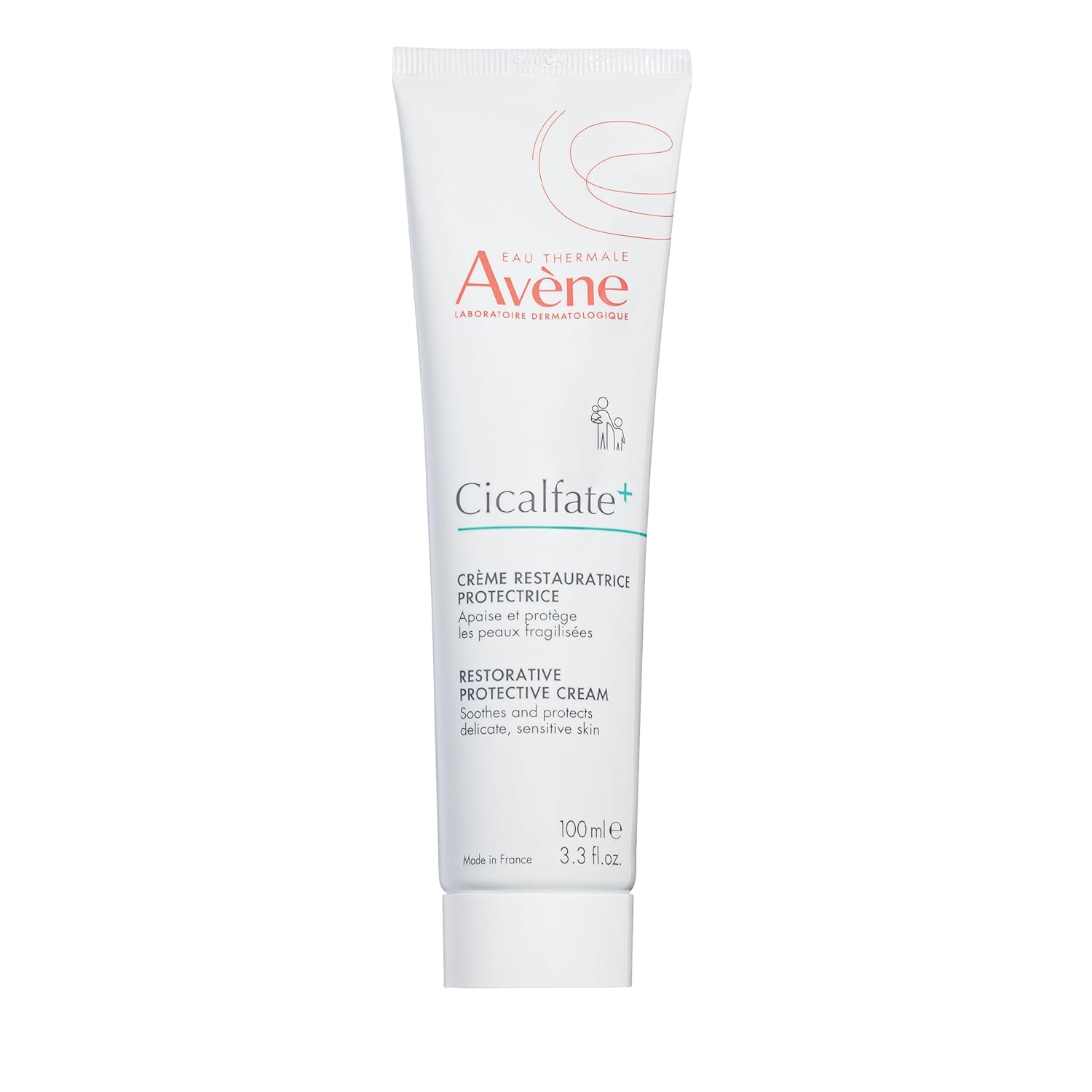
If you experience retinoid irritation, try the sandwich method: apply moisturiser first, then retinoid, then moisturiser again on top. This buffers the retinoid and slows absorption slightly, significantly reducing redness and peeling while still delivering results. It's a legitimate technique recommended by dermatologists — not a workaround.
How to schedule your PM routine across the week
Not every step happens every night — and trying to use everything every night is one of the most common mistakes in skincare. Here's a sensible weekly structure for mature skin:
Every night: double cleanse, treatment serum, moisturiser.
2-3 nights per week: exfoliant (AHA or BHA) — on these nights, skip the retinoid.
3-4 nights per week: retinoid — on nights you don't exfoliate.
1 night per week: an overnight mask in place of your regular moisturiser for an intensive repair boost.
Your PM routine doesn't need to be complicated. It needs to be consistent. Five minutes, every night, with the right ingredients in the right order — that's what delivers results over time.
The bottom line
The PM routine is where real skin transformation happens. While your AM routine defends, your PM routine rebuilds — and the actives you apply at night have hours of uninterrupted time to work with your skin's own repair biology. That's a significant advantage worth taking seriously.
Start with the cleanse. Build in your exfoliant. Add a peptide serum. Introduce a retinoid slowly and patiently. Seal everything with a barrier-supporting moisturiser. Repeat consistently. The results compound over weeks and months in a way that no single product or treatment can match.
That's the Well Rested approach — not chasing trends, but building the foundation that lets your skin do what it's already designed to do. If you're navigating perimenopause, this routine framework applies directly — with extra emphasis on barrier repair and a gentler retinoid introduction.