If you could only add one active ingredient to your skincare routine, the evidence points pretty clearly in one direction. Vitamin C — specifically L-ascorbic acid — has more peer-reviewed clinical research behind it than almost any other topical ingredient in dermatology. Decades of studies. Multiple mechanisms of action. Measurable, reproducible results. It's step one of every AM routine worth building.
And yet it remains one of the most misunderstood ingredients on the market. Not because the science is complicated, but because the marketing has obscured it. Products labeled "vitamin C" vary wildly in what they deliver — from highly effective clinical formulas to diluted serums that will oxidize before they do anything meaningful.
This guide cuts through that. By the end, you'll understand exactly how vitamin C works in skin, why the form and formulation are as important as the concentration, how to use it correctly alongside the rest of your routine, and which products are worth your money.
What vitamin C does in skin
Vitamin C works through three distinct mechanisms — and understanding all three helps explain why it's considered such a foundational anti-aging ingredient.
Antioxidant protection
Free radicals — unstable molecules generated by UV exposure, pollution, and metabolic processes — are one of the primary drivers of skin aging. They damage collagen, break down cell membranes, and accelerate the degradation of structural proteins. Vitamin C is one of the most potent topical antioxidants available, neutralizing free radicals before they can cause this damage. Applied in the morning before sun exposure, it provides a meaningful layer of protection that SPF alone doesn't offer — SPF blocks UV rays; vitamin C neutralizes the oxidative stress that UV rays create.
Collagen synthesis
Vitamin C is an essential cofactor in the synthesis of collagen. Without adequate vitamin C, fibroblasts cannot produce stable collagen molecules — a fact established in the context of scurvy long before anyone applied it to skincare. Topically, L-ascorbic acid has been shown in multiple studies to upregulate collagen gene expression and stimulate fibroblast activity, contributing to measurable improvements in skin firmness and the reduction of fine lines with consistent use. This is especially relevant for women in perimenopause, when estrogen-driven collagen production is declining.
Brightening and pigmentation reduction
Vitamin C inhibits tyrosinase — the enzyme responsible for melanin production — which makes it one of the most evidence-backed ingredients for reducing hyperpigmentation, dark spots, and post-inflammatory discoloration. This is a slower process than the antioxidant effect, typically requiring 8–12 weeks of consistent daily use before visible results emerge, but the clinical evidence for efficacy is strong.
SPF blocks UV rays. Vitamin C neutralizes the oxidative stress those UV rays leave behind. You need both — they work through completely different mechanisms.
High-potency 25% vitamin C paired with glutathione — one of the body's most powerful antioxidants. For experienced vitamin C users seeking maximum brightening and photoprotection. Targets hyperpigmentation and oxidative damage with clinical-grade efficacy.
A stabilized vitamin C serum using a next-generation ascorbic acid derivative that remains active even in sensitive skin. Avène's thermal spring water base makes this one of the few high-efficacy brightening serums suitable for reactive complexions.
Why the form is more important than the concentration
This is where most vitamin C marketing goes wrong — and where most consumers get misled. "Vitamin C" on a label can refer to several different compounds, and they are not equivalent.
The most bioavailable and most studied form of vitamin C. Directly active in skin without any conversion step. Requires a pH below 3.5 to penetrate effectively and is highly susceptible to oxidation — turning orange or brown when exposed to light and air. The most potent option, but demands precise formulation and proper storage. Effective concentrations: 10–20%.
A water-soluble vitamin C derivative that converts to L-ascorbic acid in skin. Significantly more stable than L-ascorbic acid, works at a higher pH, and is much gentler — making it ideal for sensitive skin. Slightly less potent than L-ascorbic acid but well-tolerated and legitimately effective with consistent use. A good choice for beginners.
An oil-soluble vitamin C derivative with excellent stability and compatibility with a wide range of ingredients. Penetrates the lipid layers of skin effectively and converts to L-ascorbic acid. Particularly well-suited to dry skin types and oil-based formulas. Less clinical data than L-ascorbic acid, but growing evidence supports its efficacy.
A water-soluble derivative that converts to L-ascorbic acid in the presence of enzymes in skin. More stable than L-ascorbic acid, works at neutral pH, and has demonstrated specific efficacy for acne-prone skin — reducing P. acnes bacteria in addition to its antioxidant and brightening effects. A solid choice for oily or acne-prone skin types.
For L-ascorbic acid specifically, three factors determine whether a product works: concentration (10–20%), pH (below 3.5), and stability (packaging that limits air and light exposure). A 20% vitamin C serum in a clear dropper bottle will oxidize quickly and deliver diminishing returns. An opaque, airless pump preserves potency significantly longer. Check your packaging.
How to use vitamin C correctly
Apply in the morning. Vitamin C's primary role is antioxidant protection against daily environmental stressors — UV, pollution, oxidative stress. Morning application, before SPF, is when it does its best work. Applying it at night isn't wrong, but it's not optimized.
Apply to clean, dry skin. L-ascorbic acid requires a low pH environment to penetrate effectively. Applying immediately after a toner can raise the skin's surface pH and reduce absorption. Wait 30 seconds after cleansing before applying.
Layer under SPF, not over it. Vitamin C and SPF are complementary — both protect against UV damage through different mechanisms. Apply vitamin C first, allow it to absorb for 60 seconds, then apply SPF on top.
With other actives: Vitamin C works well with niacinamide (ignore the outdated myth that they cancel each other out — modern research has debunked this), hyaluronic acid, and SPF. It requires some care when layered with peptides — use vitamin C in the morning and peptides in the evening, or choose a stabilized derivative that doesn't require a low-pH environment. Avoid combining L-ascorbic acid with retinoids in the same application — both are potent actives that can cause irritation when stacked; use vitamin C in the AM and retinoids in the PM.
Keep your vitamin C serum in a cool, dark place — ideally a drawer or cabinet, not on a bathroom shelf where it's exposed to light and humidity fluctuations. If your serum has turned orange or brown, it has oxidized and lost most of its potency. Discard it.
The five vitamin C serums worth your money
These represent the best options across the full price spectrum — from an accessible daily driver to the formula that set the clinical standard for the entire category.
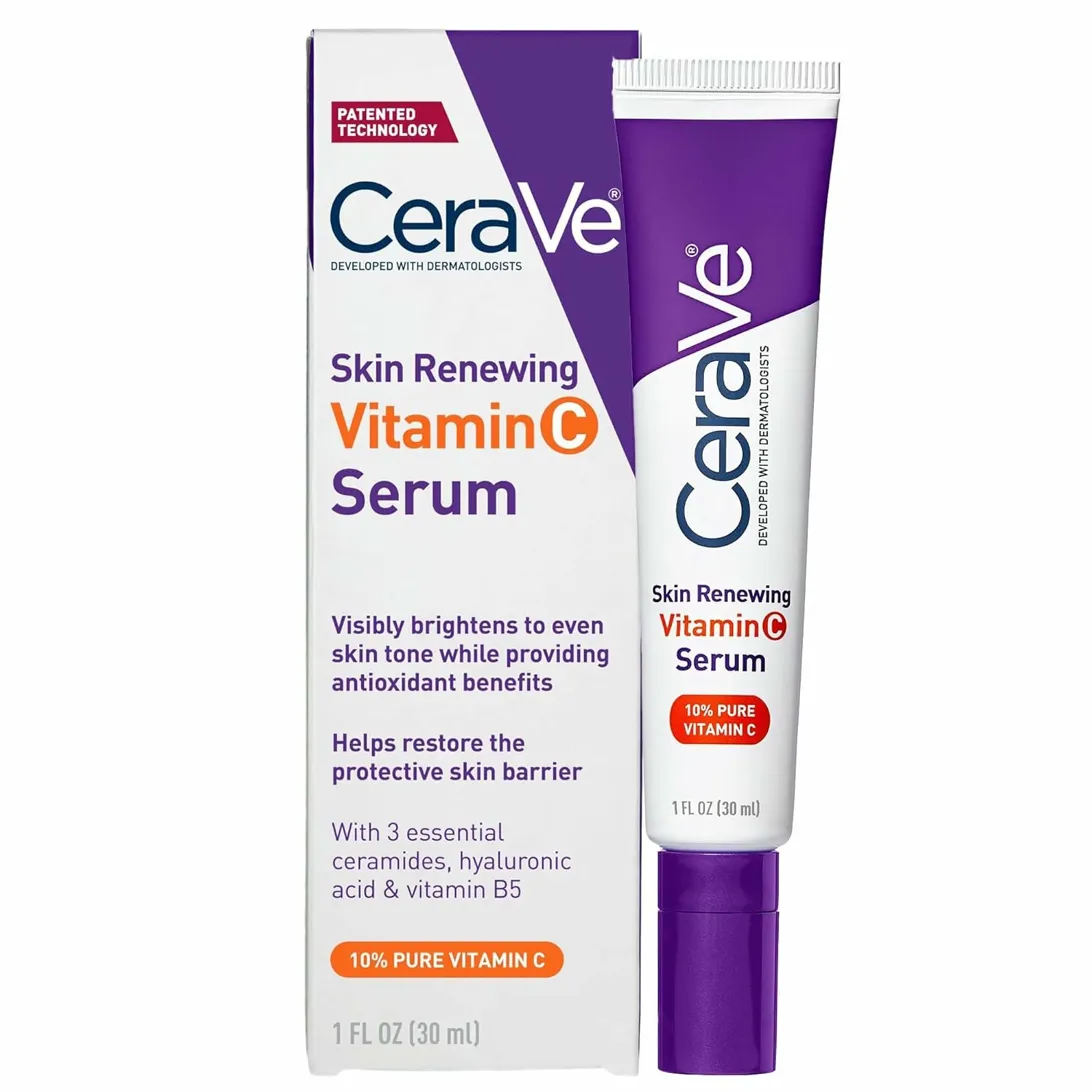
The most accessible entry point on this list. CeraVe uses a stable vitamin C derivative alongside their signature ceramide and hyaluronic acid base — making this an intelligent beginner formula that delivers brightening benefits without the irritation risk of L-ascorbic acid. Fragrance-free, dermatologist-developed, and legitimately effective for daily use.
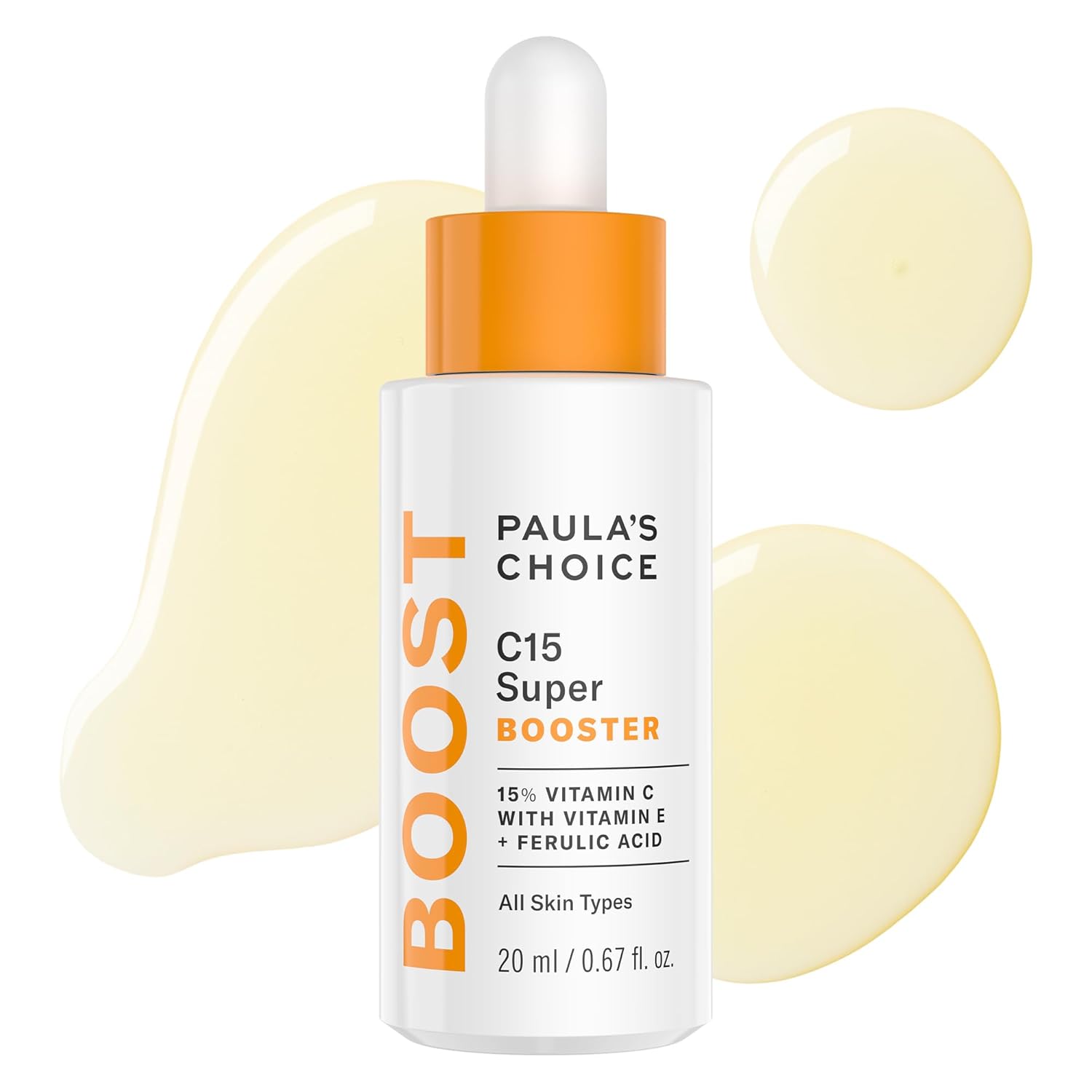
15% L-ascorbic acid combined with vitamin E and ferulic acid — the same triple-antioxidant combination that underpins the most studied vitamin C formulas in dermatology. Paula's Choice delivers it at a fraction of the luxury price, in stable packaging, with their characteristic commitment to evidence-based formulation. An exceptional mid-range option.
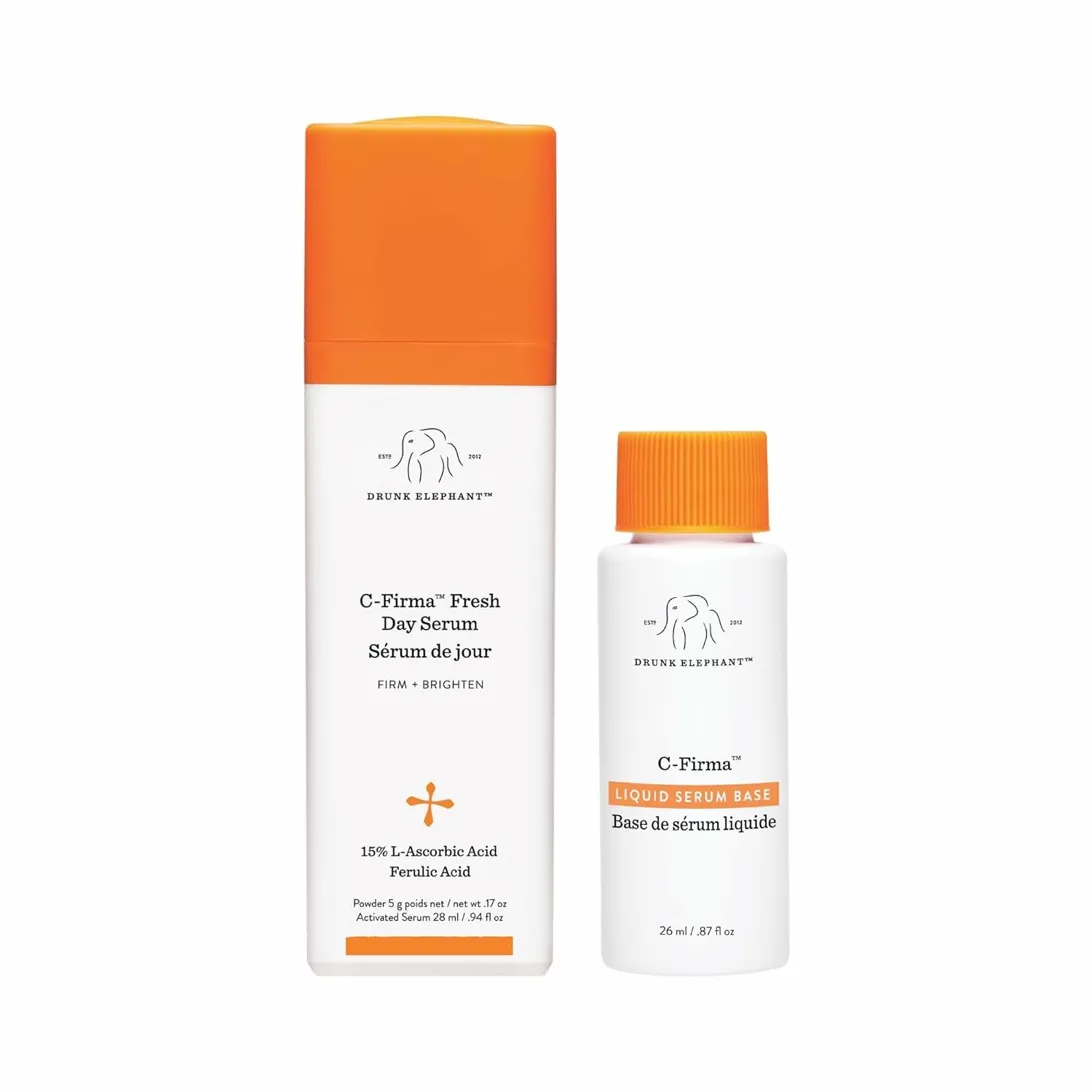
15% L-ascorbic acid in a novel two-component system that keeps the vitamin C powder separate from the serum base until you're ready to use it — solving the oxidation problem elegantly. Each application is freshly activated. A clever formulation approach that maintains potency from first use to last drop, and the texture is exceptional.
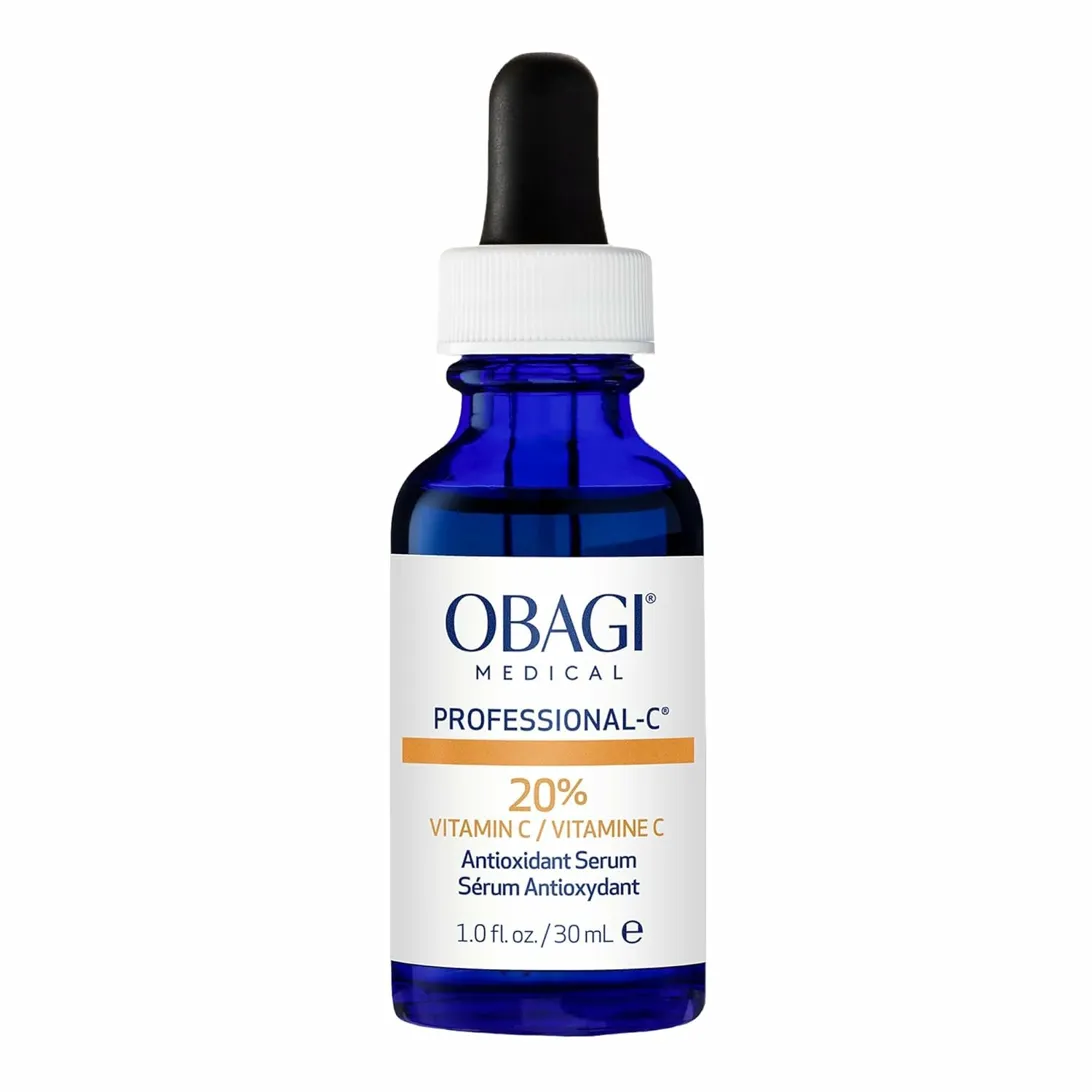
Katherine's personal favorite — and for good reason. Obagi's Professional-C delivers 20% L-ascorbic acid in a clinical-grade formula developed for physician-dispensed use, now available directly. The highest concentration on this list, formulated at the precise pH required for maximum penetration. Serious results for those ready to commit to a potent vitamin C routine.
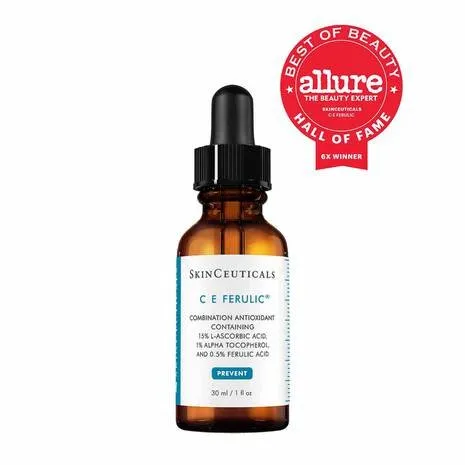
The formula that established the clinical benchmark for vitamin C serums — and the one every other product on this list is being implicitly compared to. 15% L-ascorbic acid, 1% vitamin E, and 0.5% ferulic acid in the patented Duke formulation. Over 30 years of research. The most studied topical antioxidant formula ever created. Expensive, and worth it.
The bottom line
Vitamin C is not optional for a serious anti-aging routine. The antioxidant protection it provides against daily UV and environmental oxidative stress is difficult to replicate with any other ingredient, and its collagen-stimulating and brightening effects are among the most clinically supported in all of skincare.
Start with the form that matches your skin tolerance and budget. For sensitive skin or beginners, a stabilized derivative like ascorbyl glucoside is a smart entry point. For those ready for clinical-grade results, L-ascorbic acid at 15–20% in a well-formulated, properly packaged serum is the standard to meet.
Apply every morning. Store it properly. Give it 8–12 weeks. Vitamin C rewards consistency more than almost any other active — the effects accumulate gradually and become increasingly visible over time. Pair it with a broad-spectrum SPF every morning — they work through completely different mechanisms and together provide a level of photoprotection neither achieves alone.