If you've spent any time reading skincare labels lately, you've probably noticed the word "peptide" appearing everywhere — in serums, eye creams, moisturizers, and even cleansers. The marketing language around them is effusive: firming, lifting, collagen-boosting, youth-restoring.
Some of it is hype. But a meaningful portion of it isn't. Peptides are one of the few ingredient categories in skincare with a genuine and growing body of clinical evidence behind them. The challenge is that "peptides" isn't one thing — it's an umbrella term for dozens of distinct compounds that work in completely different ways.
This is the guide I wish existed when I started looking into them. No fluff, no vague promises. Just a clear explanation of what peptides are, how they work, which types are worth your attention, and how to use them intelligently alongside the rest of your routine.
What peptides actually are
Peptides are short chains of amino acids — the same building blocks that make up proteins. When amino acids link together in a long chain, they form a protein. Collagen, elastin, and keratin are all proteins made of amino acid chains. A peptide is simply a shorter version of that chain, typically between two and fifty amino acids long.
In the context of skincare, peptides matter because your skin is largely made of protein. Collagen alone accounts for roughly 75% of your skin's dry weight. As we age, collagen production slows, existing collagen degrades, and the structural integrity of skin begins to decline — leading to the fine lines, loss of firmness, and texture changes we associate with aging.
Peptides intervene in this process in several ways, depending on their type. Some signal fibroblasts (the cells responsible for producing collagen) to ramp up production. Others inhibit the enzymes that break collagen down. Others still work on muscle contraction, hydration, or cellular repair. They are, in short, messengers — small molecules that tell your skin to behave more like younger skin.
Peptides are messengers. They don't add collagen to your skin — they signal your skin to make more of its own.
The four types of peptides worth knowing
Related: exosomes vs peptides →
Related: copper peptides specifically →
Not all peptides work the same way. Here's a breakdown of the main categories you'll encounter on ingredient labels and in clinical literature:
The most extensively studied category. Signal peptides communicate directly with fibroblasts, triggering the production of collagen, elastin, and hyaluronic acid. Matrixyl is the benchmark here — it has over two decades of clinical research behind it and remains one of the most reliably effective anti-aging ingredients available.
These peptides deliver trace minerals — most notably copper — into the skin, where they support wound healing, collagen synthesis, and antioxidant activity. Copper peptides have a loyal following for good reason: GHK-Cu has solid evidence for improving skin density and reducing fine lines, while also exhibiting anti-inflammatory properties.
Sometimes called "topical Botox," these peptides work by mildly inhibiting the muscle contractions responsible for expression lines. The effect is real but modest — they won't replace injectable neuromodulators, but used consistently around the eye and forehead area, they can soften dynamic lines over time.
Rather than stimulating collagen production, these peptides protect existing collagen by blocking the enzymes (MMP-1, MMP-3) that break it down. Think of them as the defensive line of your skincare routine — less glamorous than signal peptides, but equally important for long-term skin maintenance.
Many high-performing peptide products combine multiple peptide types in a single formula — signal peptides to build, enzyme inhibitors to protect, and neurotransmitter peptides to relax. When evaluating a product, look for formulas with two or more distinct peptide types rather than a single peptide at a low concentration.
Who should use peptides
The short answer: almost everyone, and earlier than you think.
Collagen production begins declining in your mid-twenties at a rate of roughly 1% per year. By the time visible signs of aging appear, you've already lost a significant amount of structural support. Peptides are most effective as a preventive measure — maintaining what you have — rather than as a corrective one.
That said, clinical studies have shown measurable improvements in skin firmness, elasticity, and fine line depth even in subjects in their 40s, 50s, and beyond. It's never too late to start, but the earlier you incorporate peptides into a consistent routine, the more you'll have to show for it over time.
Peptides are also among the most tolerable actives available. Unlike retinol (which can cause purging, peeling, and sensitivity) or AHAs (which exfoliate and can compromise barrier function), peptides are gentle enough for daily use on virtually all skin types — including sensitive and rosacea-prone skin. They don't require a break-in period and can be used morning and evening without adjustment.
How to layer peptides with other actives
Related: how retinol and peptides work together →
Peptides are one of the most compatible actives in skincare — but there are a few layering rules worth understanding before you incorporate them into an existing routine.
| Active | Compatible? | Notes |
|---|---|---|
| Hyaluronic Acid | Yes | Ideal pairing. Apply HA after peptide serum while skin is still slightly damp for maximum hydration. |
| Niacinamide | Yes | Excellent combination. Both are barrier-supportive and can be used in the same routine without issue. |
| Retinol / Retinoids | Yes | Complementary mechanisms — retinoids increase cell turnover while peptides support collagen synthesis. Use retinol at night; peptides can be used AM or PM. |
| Vitamin C (L-Ascorbic Acid) | Use separately | L-Ascorbic Acid is formulated at a low pH that can degrade certain peptides. Use Vitamin C in the morning and peptides in the evening, or choose a stabilized Vitamin C derivative (like Ascorbyl Glucoside) that doesn't require a low pH environment. |
| AHAs / BHAs | Use separately | Similar to Vitamin C — the low pH of chemical exfoliants can disrupt peptide efficacy. Alternate by time of day or use on different evenings. |
| Copper Peptides + Retinol | Separate | Copper peptides and retinol can work against each other when used simultaneously — copper can accelerate retinol oxidation. Use copper peptides in the AM and retinol in the PM. |
Peptides are pH-neutral and layer well with most ingredients. The one consistent exception is low-pH actives (Vitamin C, AHAs, BHAs) — separate these by time of day and your peptides will perform as intended.
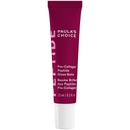
A peptide-powered lip treatment that delivers collagen-stimulating actives to the lip area — one of the first places to show fine lines and volume loss with aging. Combines multiple peptides with hydrating ingredients for visible plumping and conditioning. Proof that peptide technology extends well beyond the face.
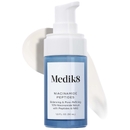
A dual-action serum pairing 10% niacinamide with a peptide complex. Niacinamide strengthens the barrier and fades hyperpigmentation; peptides signal collagen production and improve firmness. One of the most intelligently formulated barrier-support and anti-aging serums available.
The peptide products worth trying
Related: PM routine for peptides →
The peptide market is crowded, but a handful of products stand out for their formulation quality, peptide concentration, and clinical backing. These are the ones I return to consistently.
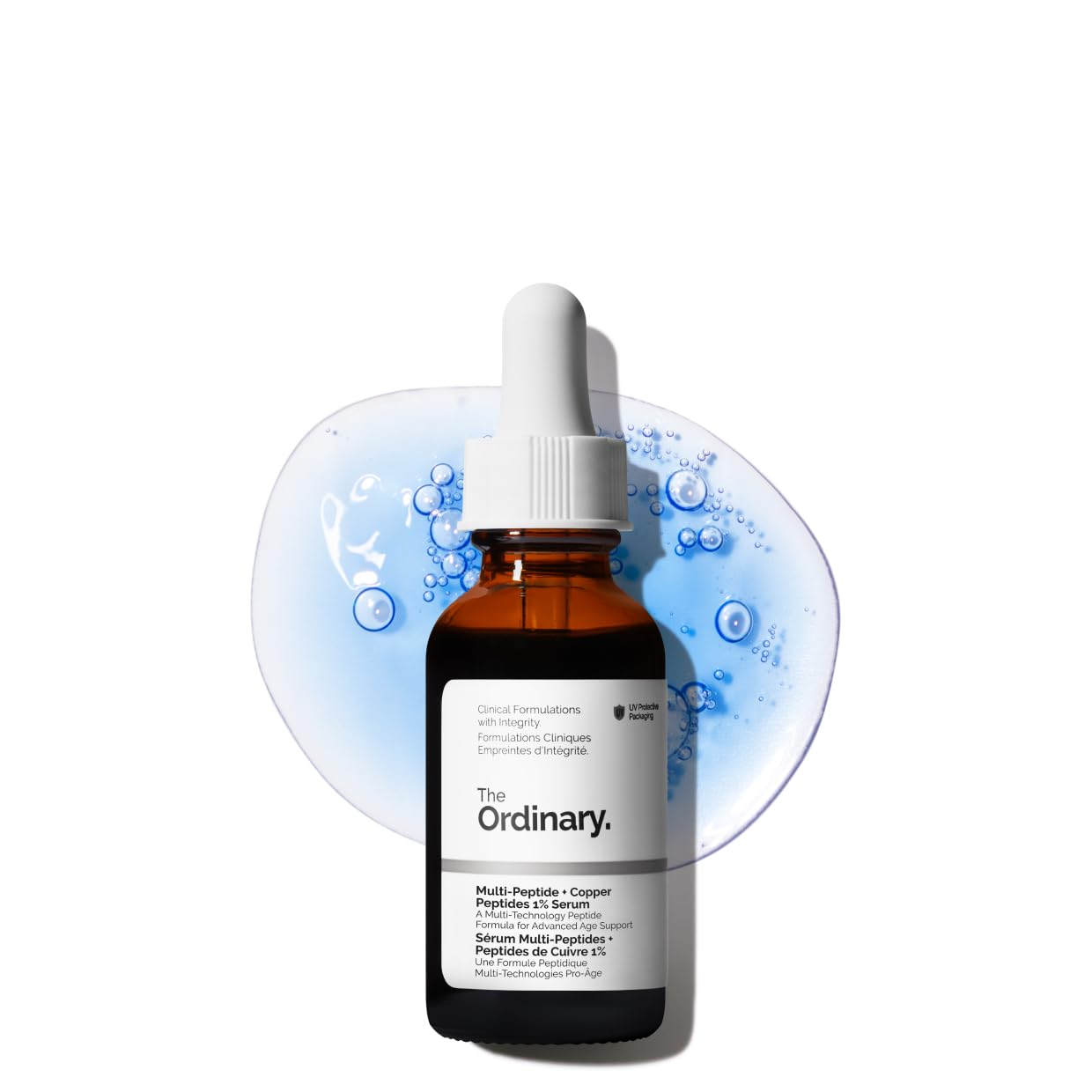
The benchmark multi-peptide serum. Combines signal peptides and GHK-Cu copper peptides in a single lightweight formula — exceptional value for the breadth of peptide technology packed in.
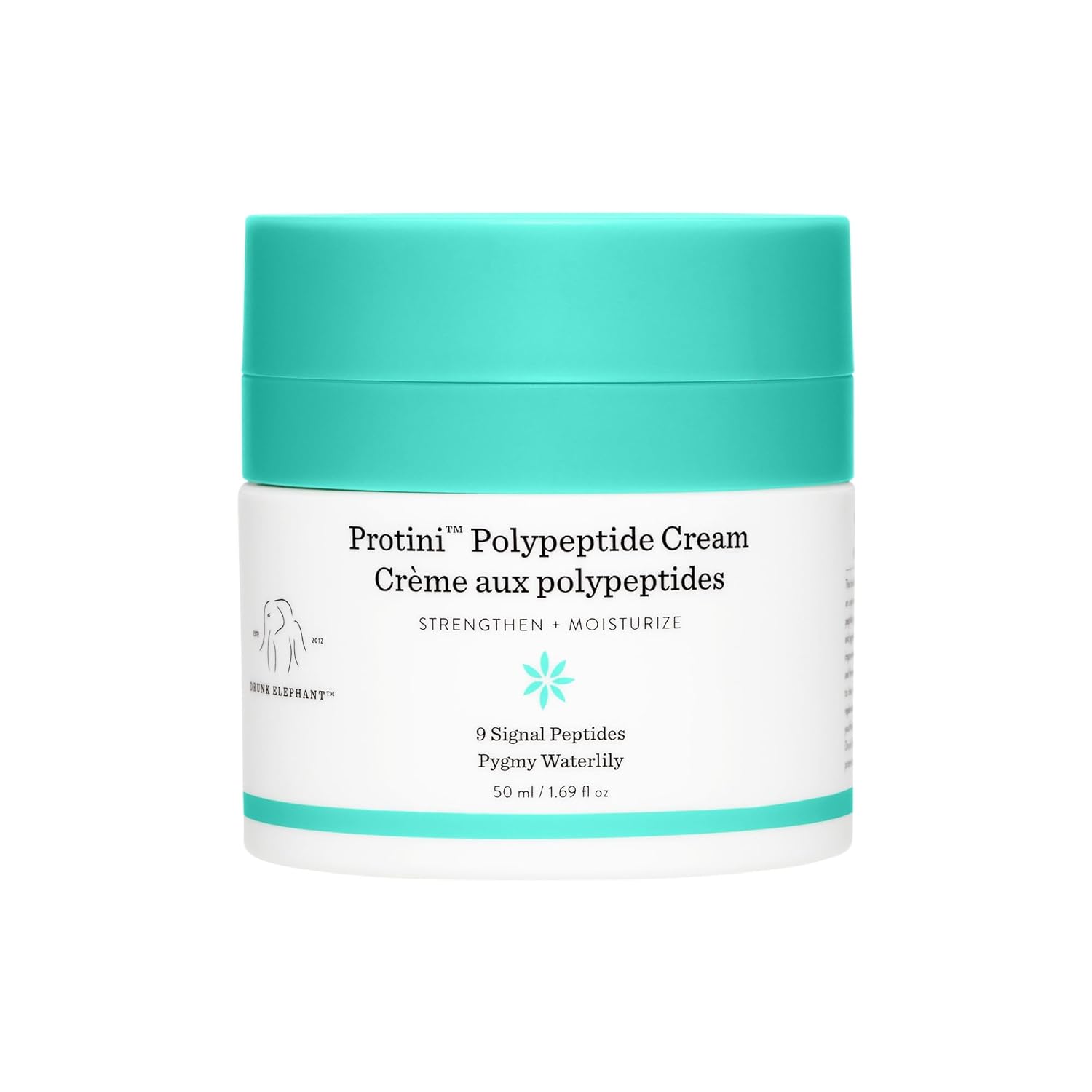
A rich moisturizer built around signal peptides and growth factors. The texture is deeply nourishing without being heavy — ideal for consolidating peptides and hydration in one step.
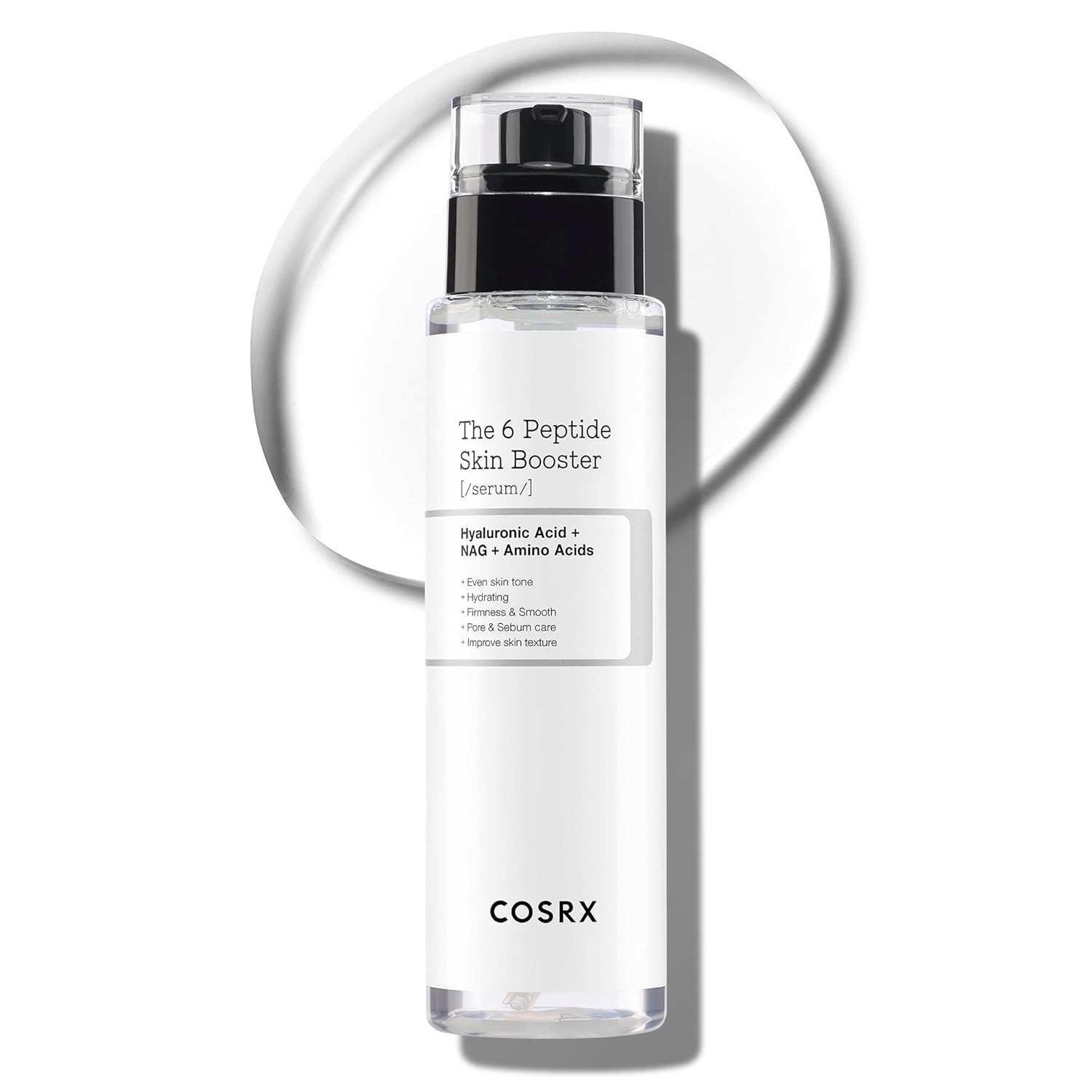
A lightweight toner-serum hybrid delivering six peptide types alongside collagen-supporting actives. An accessible entry point with a well-rounded peptide profile and a texture that layers effortlessly.
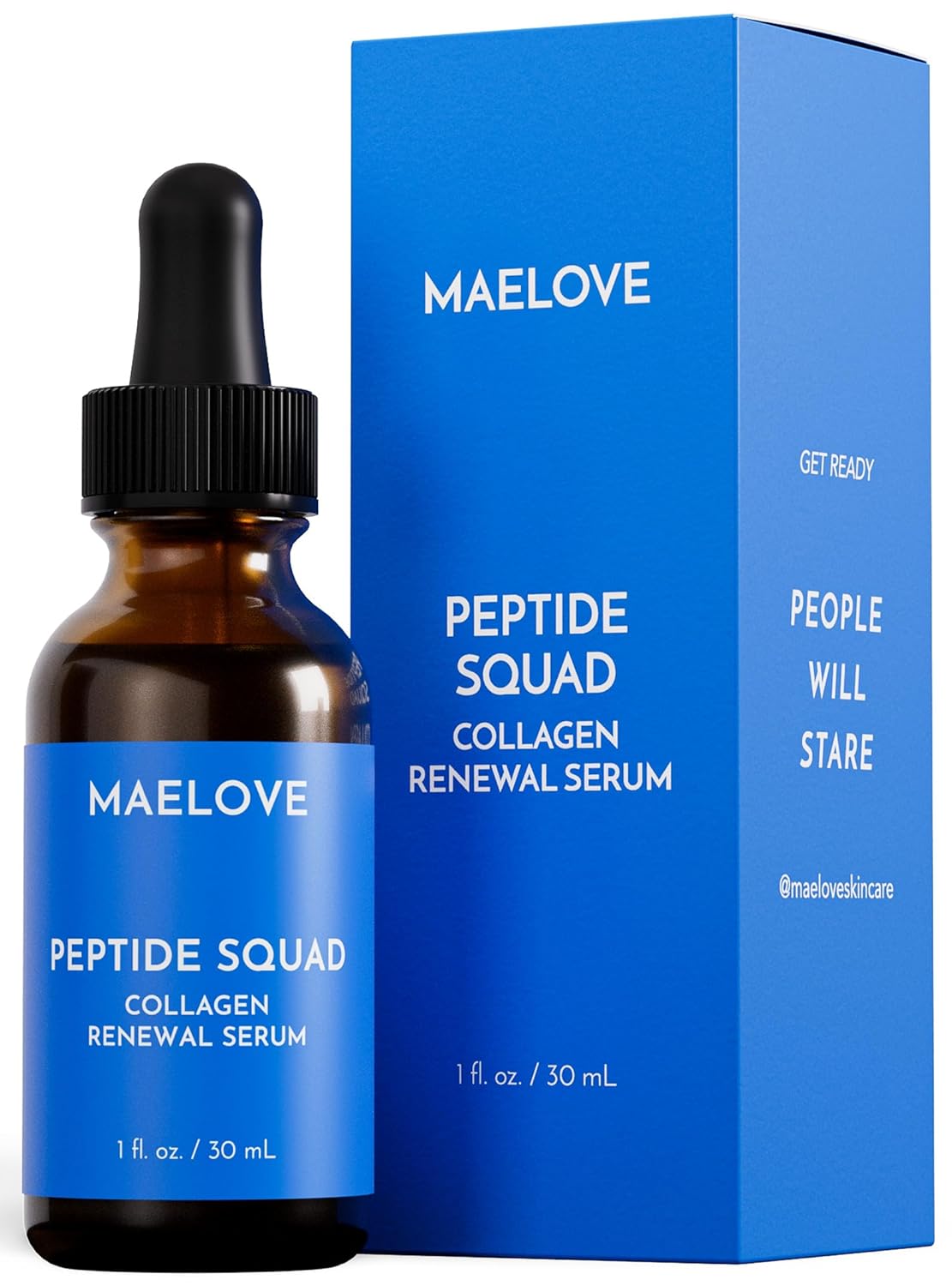
A thoughtfully formulated peptide serum at an accessible price point. Stacks multiple peptide types for a combined signal and support effect — a strong value pick for building a peptide routine for the first time.
The bottom line
Peptides won't transform your skin overnight, and any product claiming otherwise deserves skepticism. What they will do — used consistently, in well-formulated products, alongside a routine that supports rather than undermines them — is meaningfully slow the structural decline that drives visible aging.
They are not a replacement for retinoids, which remain the gold standard for cellular renewal. They are not a replacement for SPF, which is still the single most evidence-backed anti-aging intervention available. But as part of a layered, intelligent routine, peptides earn their place.
Start with a signal peptide serum in the evening. Give it 8–12 weeks of consistent use before evaluating results. Skin remodeling is slow, but it is measurable — and peptides, more than almost any other ingredient category, reward patience.